Payments in the era of war: how UAE businesses keep money moving
Conflict reaches a company's payments early. What changes for UAE businesses when the region is under strain, and a six-point checklist to prepare.
When a region goes through conflict, most business owners look first at shipping, fuel and staff. Payments tend to be noticed later, usually on the day a transfer that normally takes hours has still not arrived. This guide explains what changes, using what UAE companies saw in 2026, and what a company can do about it.
What changes in payments when conflict arrives?
The short answer is friction. The banking system keeps working, and it becomes slower and more cautious at the edges.
In the UAE, the Central Bank moved early. On 17 March 2026 it announced a resilience package for financial institutions, and reporting on the wider relief measures described their purpose as keeping liquidity moving through the economy and limiting operational disruption. Card terminals, salary runs and domestic transfers carried on.
What changed was the experience of moving money across borders. Research on financial sanctions from the University of Chicago's Becker Friedman Institute, based on correspondent banking data, reaches a conclusion that matches what companies felt: restrictions seldom cut a payment route completely, but the payments that still get through cost more, take longer and carry more risk.
Why are cross-border payments hit hardest?
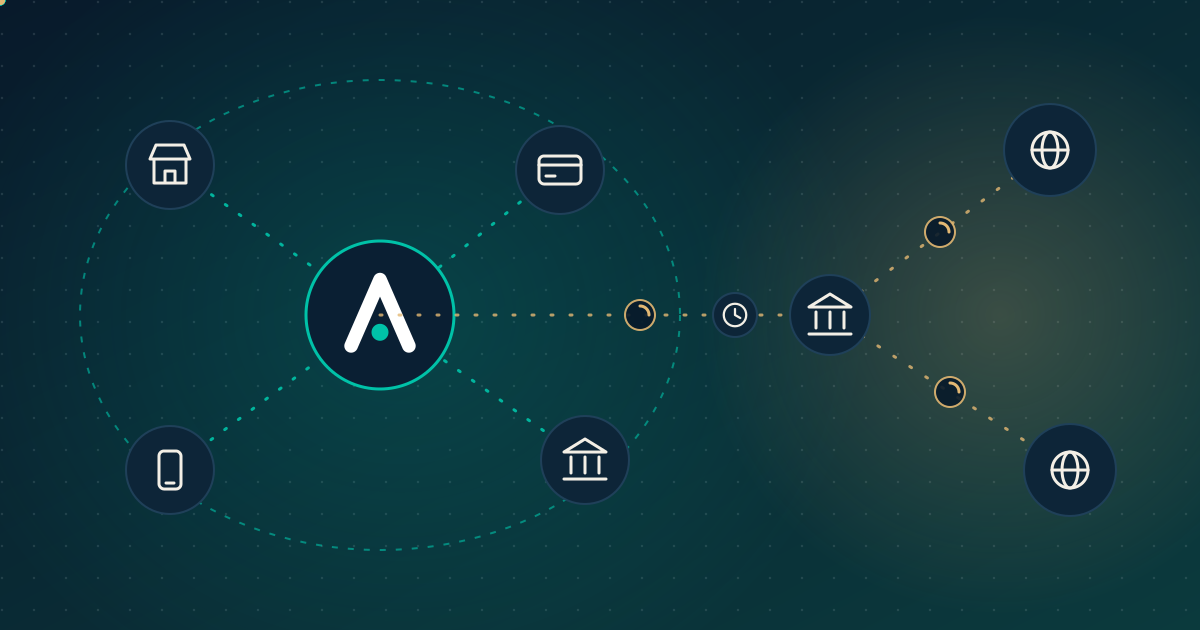
A cross-border payment passes through a chain of banks, and each one runs its own checks. When risk rises, every link in the chain adds time.
AGBI reported in September 2026 that companies moving money between Saudi Arabia and the UAE were waiting as long as 10 days, with UAE banks attributing the delays mainly to heightened compliance requirements. The same report described how businesses adapted: some opened entities on both sides so payments could settle domestically, some routed through correspondent banks in Europe or Asia, and others turned to regulated fintech platforms.
Infrastructure is part of the picture too. A June 2026 bulletin from the Reserve Bank of Australia on geopolitical risk points out that damage to subsea cables could impair both retail and wholesale payments, and that a crisis stretches the specialist teams that handle sanctions compliance.
Why do domestic payment rails matter more in a crisis?
A domestic payment stays inside one country, one currency and one regulator. It does not depend on a chain of foreign correspondent banks.
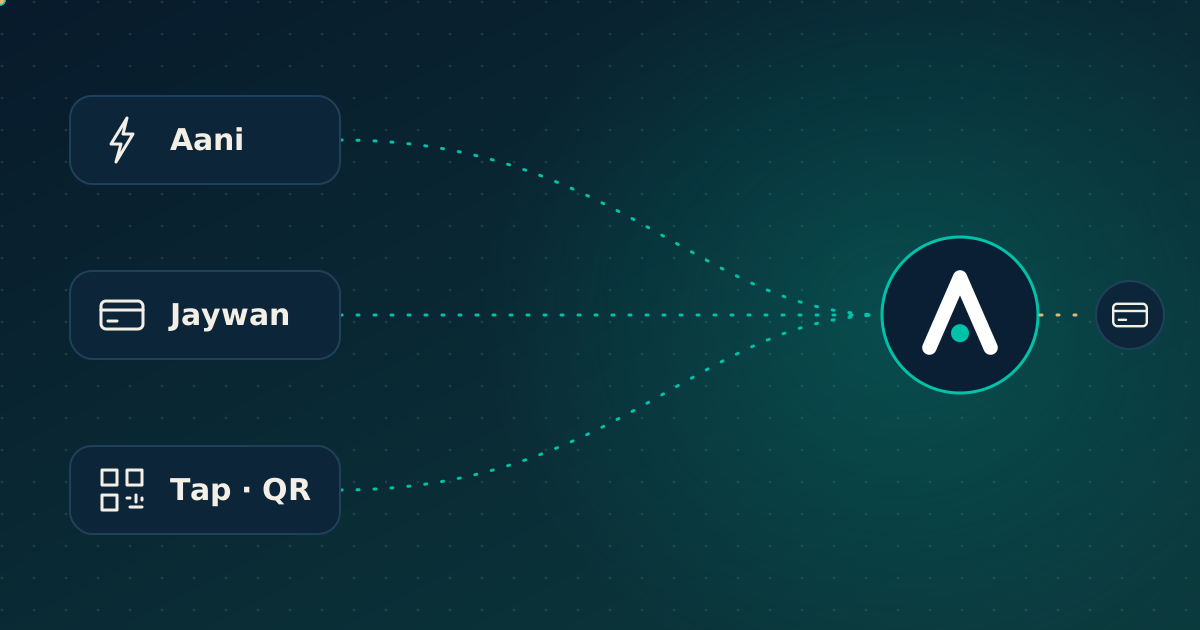
The UAE has invested heavily here. Aani, the national instant payment platform, moves money between accounts in seconds, around the clock. Jaywan, the national card scheme, is designed to route and process domestic card transactions locally. For a company, that means a sale taken in dirhams from a local customer is the most dependable money it has during a disruption.
A six-point checklist for business owners
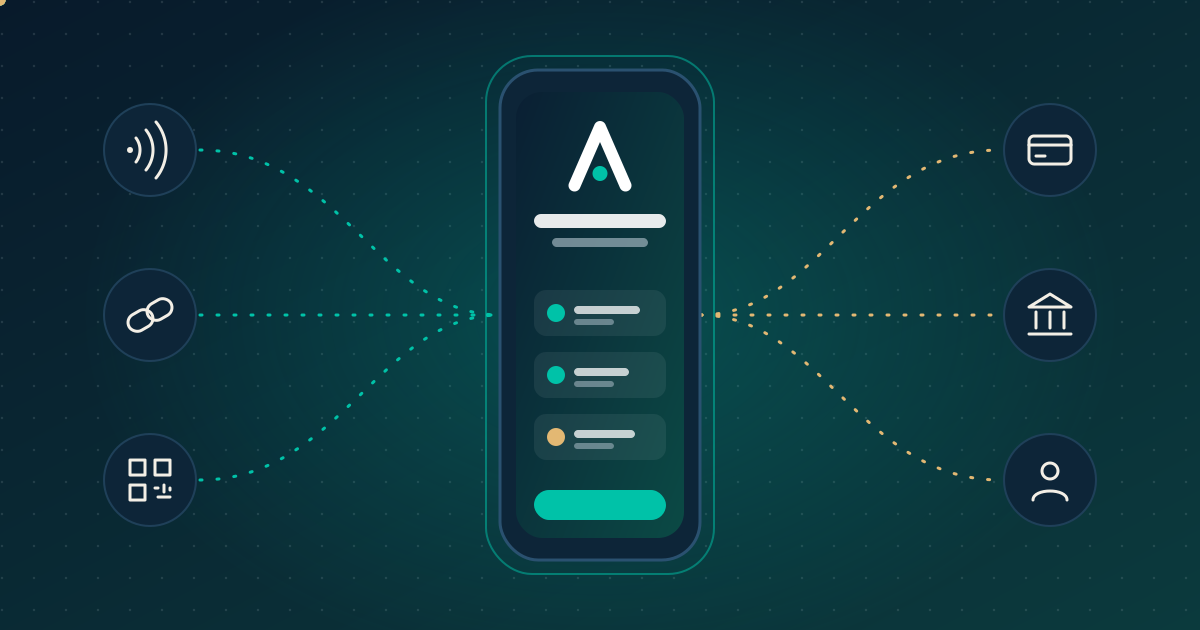
- Offer more than one way to pay. Cards, phone wallets, payment links and QR. If one channel has a bad day, the sale still happens.
- Shorten the gap between a sale and usable cash. Know exactly when each payment method settles and where. Money that sits in transit cannot pay a supplier.
- Keep a second payout route. Have at least two ways to pay your critical suppliers, and test the backup before you need it.
- Keep your paperwork ready. Invoices, contracts and proof of purpose for larger transfers. Banks ask more questions in tense periods, and fast answers mean faster payments.
- Protect payroll first. Salaries are the payment you cannot miss. Hold the next salary run in dirhams, in an account you can pay from directly.
- Watch balances daily. In calm times a monthly review is enough. In volatile times you need to see today's position today.
Where does Avora Money fit?
Avora Money is being built around the same logic: acceptance and the company wallet in one app, so a sale becomes a balance you can see and use, and salaries, supplier transfers and card spending run from that same balance. Avora Money is in pre-launch. You can join the waitlist to hear when onboarding opens.
This article is general information, not financial, legal or compliance advice.
Sources
- Gulf News: Relief measures UAE residents and businesses received since March 2026
- Becker Friedman Institute, University of Chicago: Financial Sanctions and the Global Payments Network (2026)
- AGBI: Saudi-UAE payment delays demand costly workarounds (3 September 2026)
- Reserve Bank of Australia Bulletin, June 2026: Geopolitical Risk and Financial Stability
- Payment Expert: UAE fintech hub, open finance, Aani and what's next (21 October 2026)